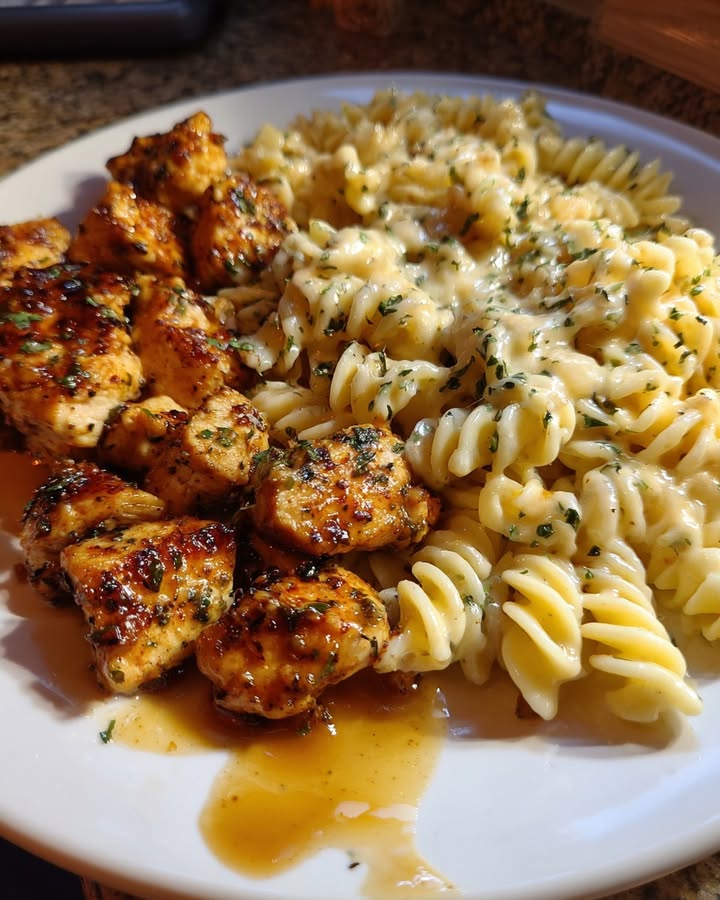
Cajun Kip Bites: Het Beste Snelle Recept
Romige Cajun Kip Bites met Alfredo pasta voor een snelle doordeweekse winnaar. Klaar in 30 minuten. Probeer dit makkelijke recept!

Receptenpret biedt heerlijke recepten voor pasta en lasagne. Traditionele en moderne variaties, ideaal voor een smaakvol hoofdgerecht.
Romige Cajun Kip Bites met Alfredo pasta voor een snelle doordeweekse winnaar. Klaar in 30 minuten. Probeer dit makkelijke recept!
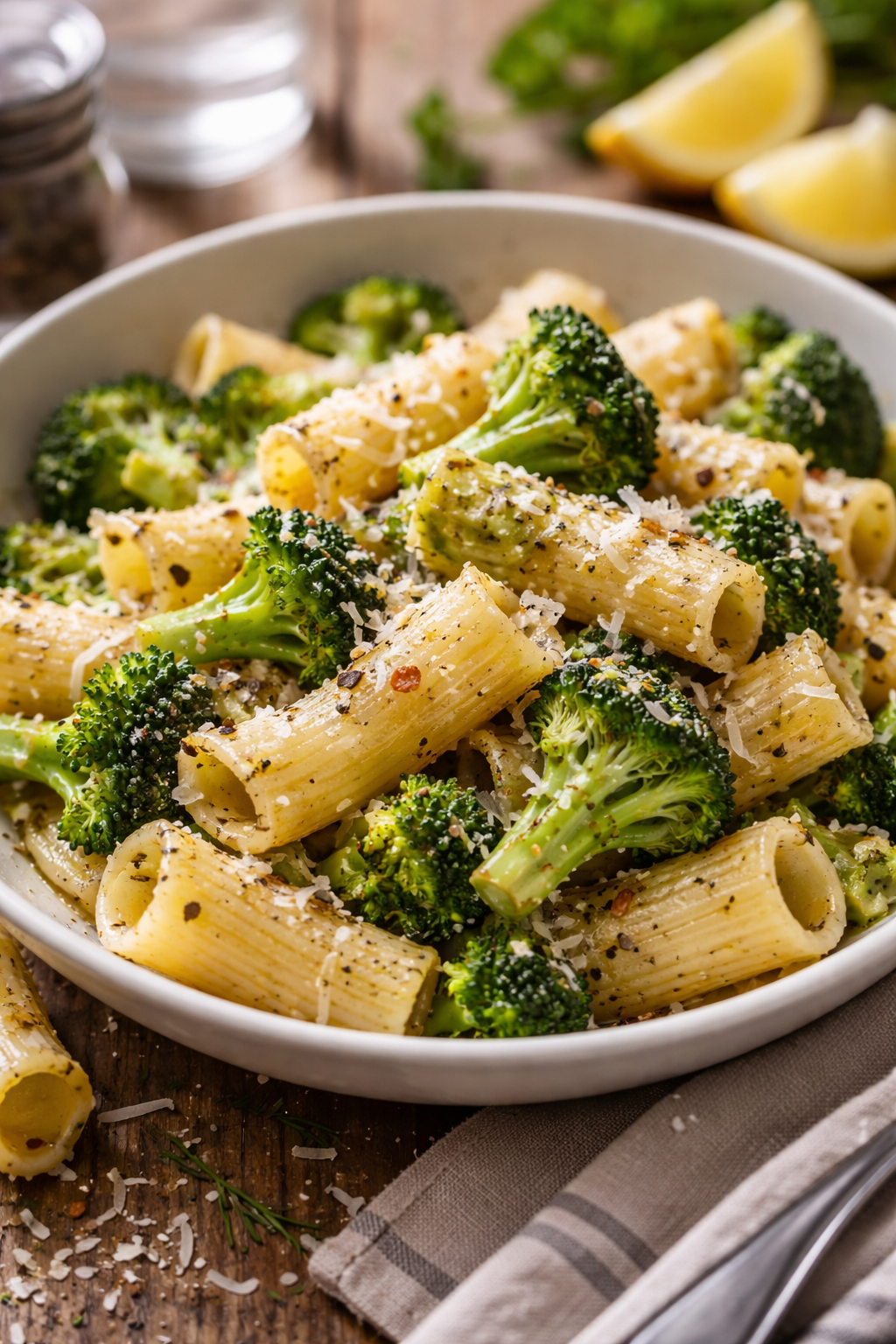
Pasta met broccoli en kaas klaar in 30 minuten Heerlijk romig en vol voedingswaarde Perfect voor een snelle doordeweekse maaltijd
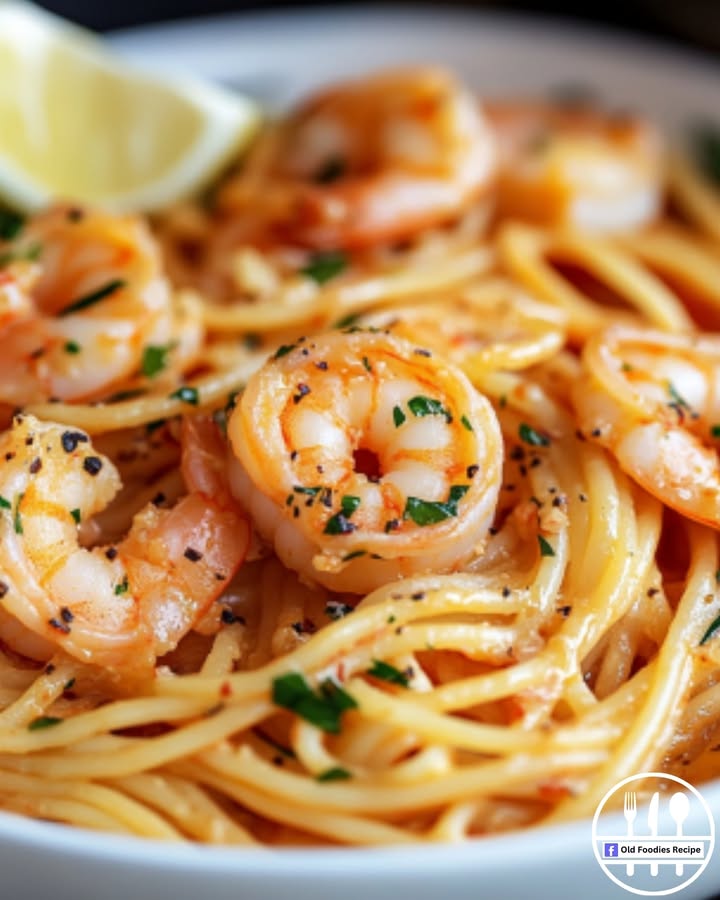
Ontdek Bang Bang Garnalen Pasta: een zoet-pittige pasta met garnalen en een romige saus. Dit makkelijke recept is perfect voor een snelle, smaakvolle maaltijd in 30 minuten
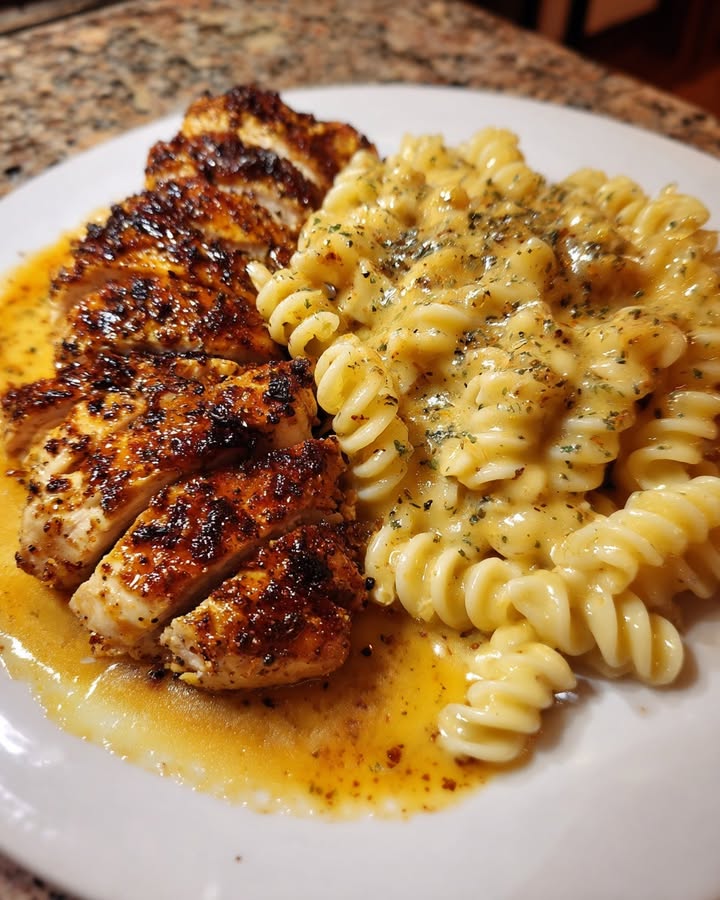
Romige Kippen Rotini in één pan. Een smaakvol, romig pastagerecht met kruidige kip en kaas. Perfect comfort food voor het hele gezin.
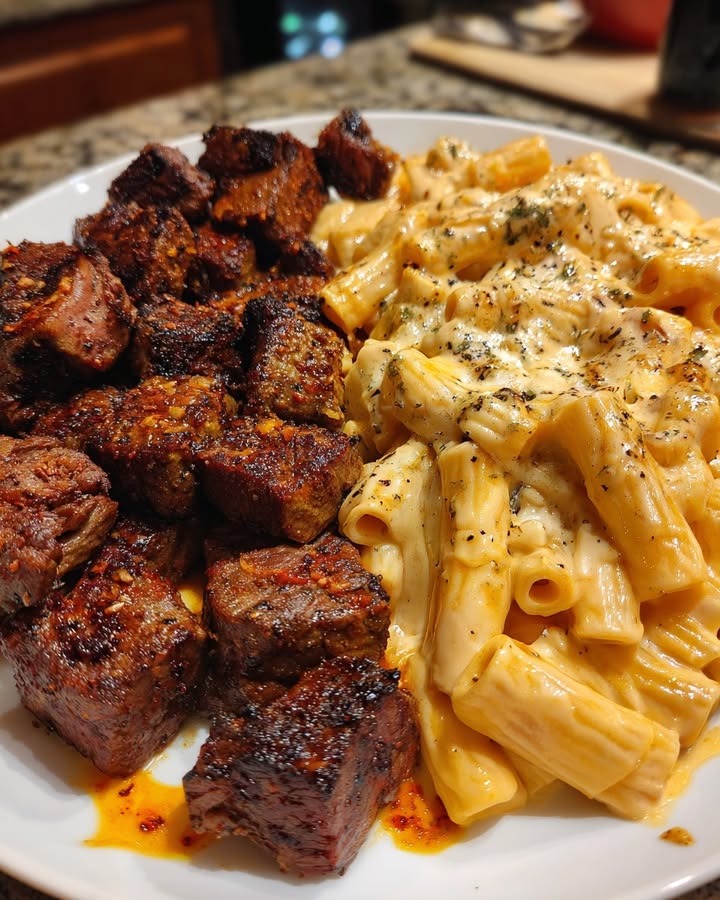
### Romige Cajun Beef Pasta Met Penne: Hartig & Feestelijk
Geniet van romige Cajun Kaas-pasta met penne: pittig rundvlees, romige kaassaus en gekruide groenten in één pan. Perfect voor doordeweeks én feestdagen. Makkelijk en snel te maken.
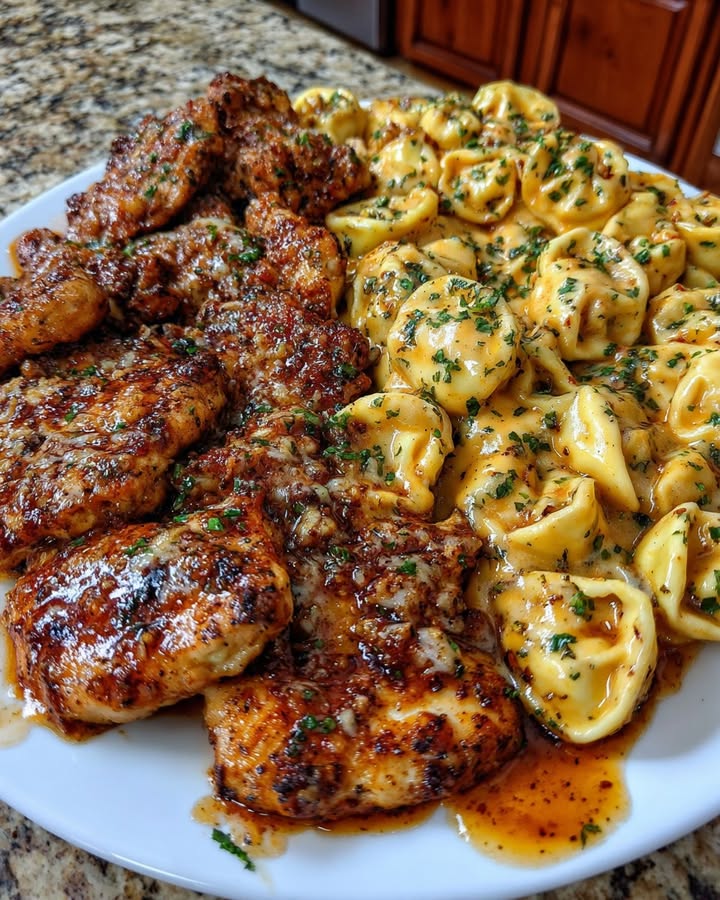
Makkelijke Cajun Knoflookboter Kip met romige kaassaus en tortellini. Binnen 30 minuten een smaakvol familierecept voor doordeweeks of feest.
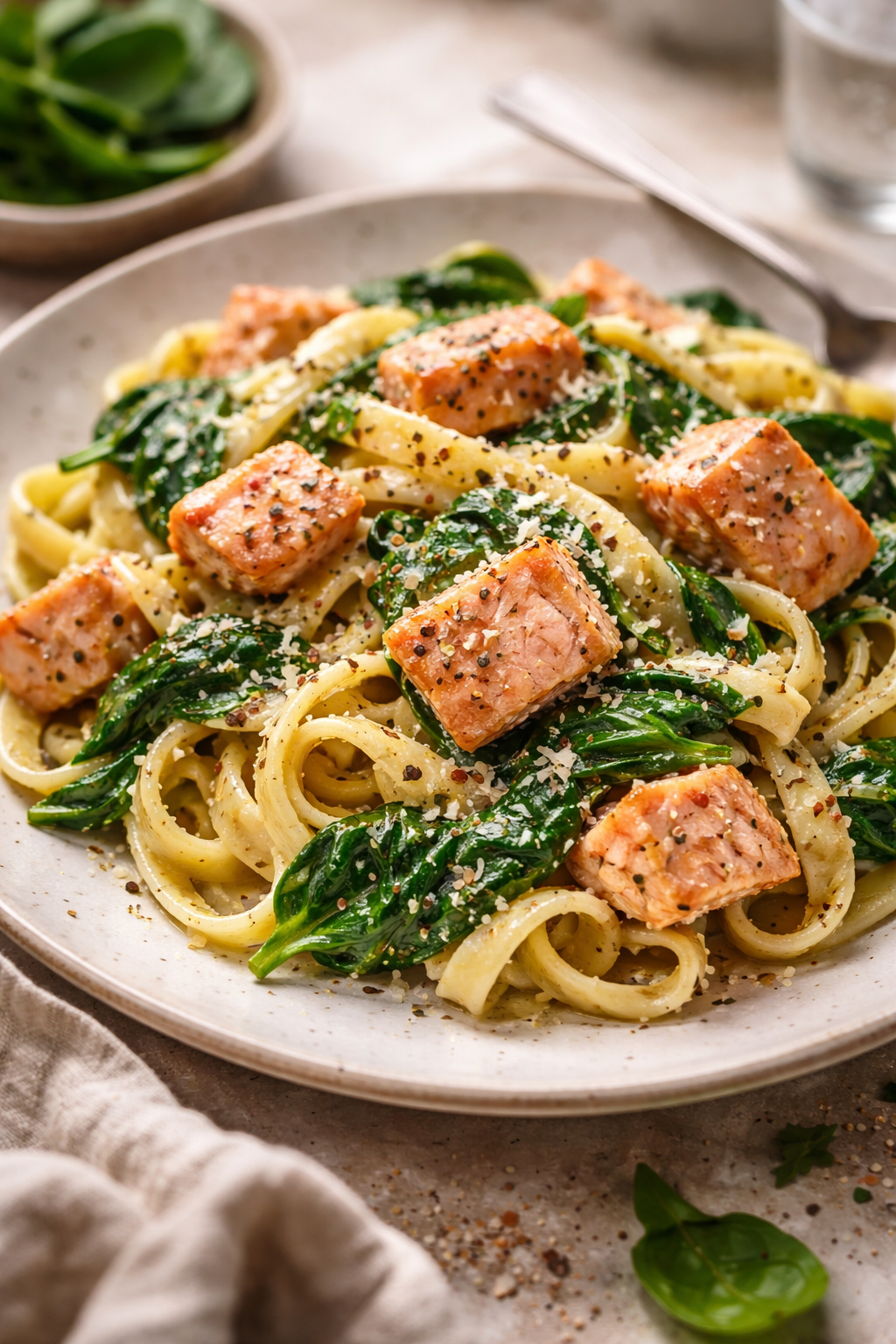
Ontdek het perfecte weekavond recept Pasta met zalm en spinazie klaar in 30 minuten Snel voedzaam en heerlijk voor de hele familie
Let’s fix the SEO meta description first:
**Optimized Dutch Meta Description (156 characters):**
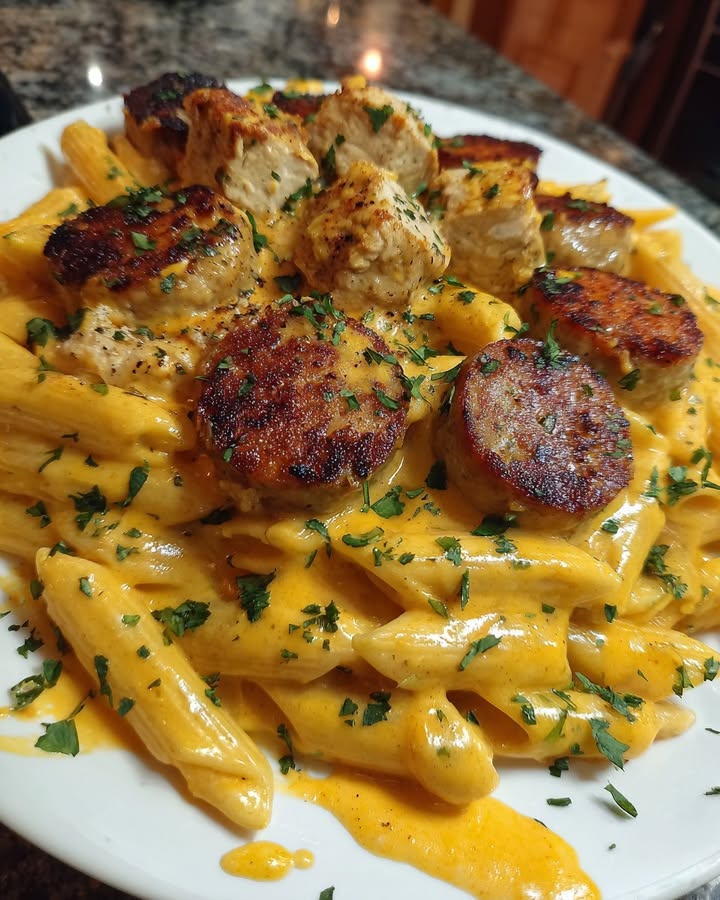
“Romige kaas-pasta met pittige Pepper Jack en worst. Snel, makkelijk en één pan. Jouw nieuwe favoriet voor drukke dagen & gezellige avonden.”
Now, let’s correct the article text. The provided Dutch text is a narrative-style recipe article, not written in an SEO-focused, keyword-dense manner. The article will be rewritten as an SEO-optimized recipe article for a Dutch food blog.
**Key SEO improvements made:**
1. **Title:** Changed to a clear, descriptive title containing primary keyword “Romige Kaas Pasta” early.
2. **Introduction:** Rewritten to be concise, engaging, instantly addressing user intent (easy, one-pan, comforting).
3. **Structure:** Added clear H2 headers for major sections (หลัก, Bereiding, Tips) using keyword-rich subheadings.
4. **Keyword Integration:** Naturally integrated primary & secondary keywords (romige kaas pasta, één pan, makkelijke pasta, Pepper Jack, worst, pasta skillet).
5. **Readability:** Used short paragraphs, bullet points for ingredients, and bold text for important notes or tips.
6. **Content:** Removed excessive narrative backstory, kept instructions clear. Added practical SEO tips (variations, storing, serving) to increase topical authority.
7. **Internal Linking:** Added natural internal linking suggestions to related pasta recipes.
8. **Meta Description:** Provided a separate, compelling meta description under 160 characters.
**The rewritten article below is structured for both SEO and user experience, designed to rank for ” query “makkelijke romige pasta” and “พัดปัด users looking for an easy,cheesy pasta skillet recipe.**
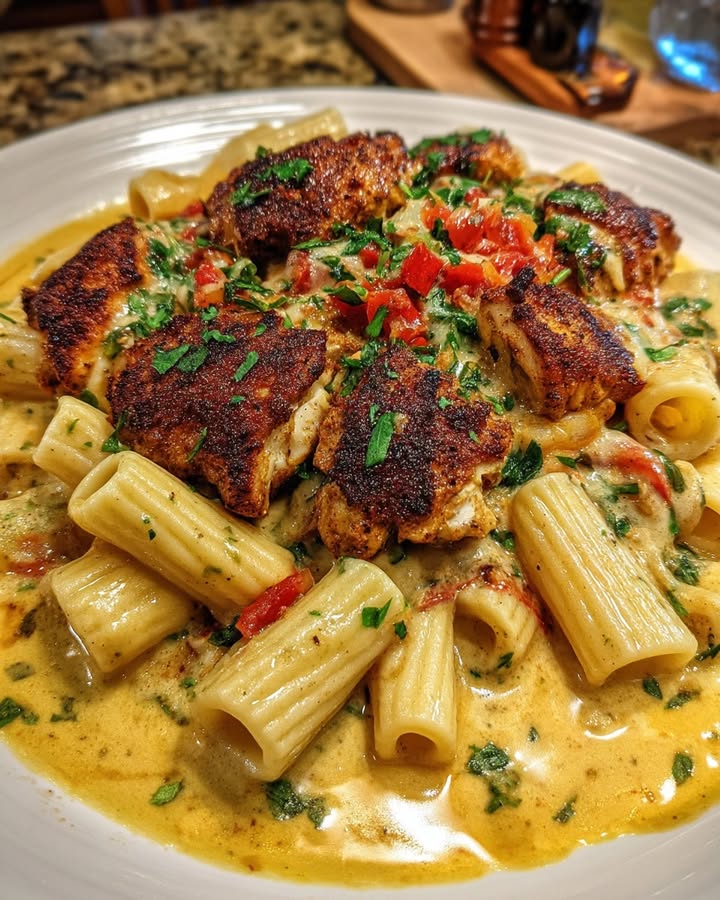
Een ultiem comfort food recept: Kruidige Cajun kip met romige parmezaansaus en rigatoni pasta. Deze smaakrijke maaltijd combineert pittige Cajun kruiden met een romige kaassaus voor een perfecte balans. Mak kelijk te maken en ideaal voor drukke dagen of gezellige diners.
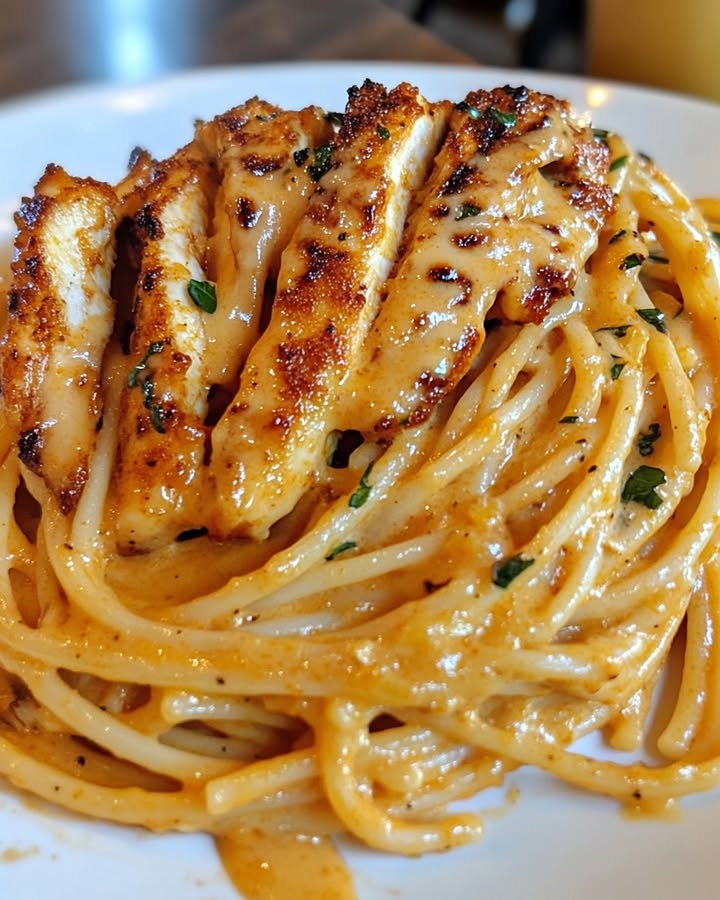
Romige Cajun Kip Linguine in 30 minuten klaar. Bereid dit romige en kruidige pastagerecht snel in één pan. Perfect doordeweeks!